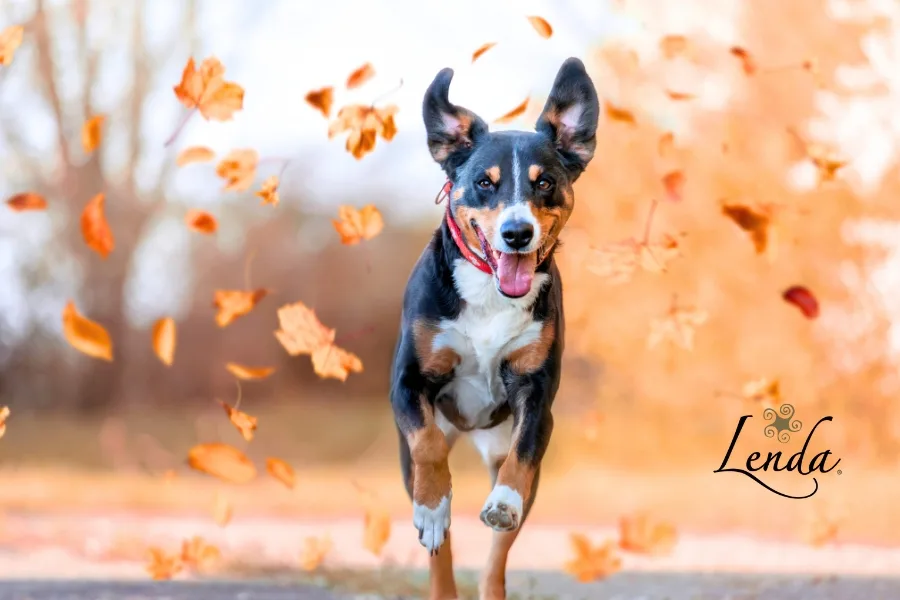
Autumn is a magical season full of traditions and typical products. If you live near a rural or wooded area, it is common to go out to collect chestnuts or mushrooms, which are not only delicious, but also the perfect excuse to enjoy beautiful walks in nature with our furry friends.
What typical autumn foods can your furry friend eat?
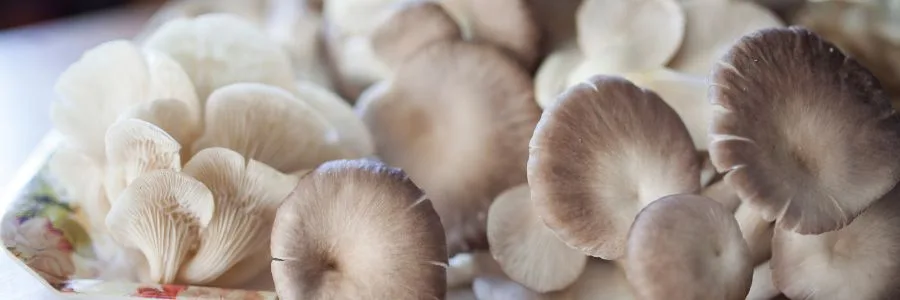
But… what happens if your dog or cat eats a mushroom?
In principle, and as long as they are not allergic to them, they can eat the same mushrooms as us, although, obviously, without sauces or seasoning and in a reasonable dose. This means that the same mushrooms will be toxic for them as they are for us and, on the other hand, they could eat the mushrooms that are usually picked at this time of year (e.g. chanterelles or boletus) or those that are bought in the supermarket which, in moderation and responsibly, can be of great benefit to them.
The problem is when we do not know whether the mushroom ingested is toxic or not. It goes without saying that only people with the necessary knowledge to be able to perfectly identify edible mushrooms and differentiate them from poisonous ones should pick mushrooms for consumption.
Contrary to what many people think, poisonous mushrooms do not always have bright red colours that alert you to their danger, or unpleasant smells that may repel your furry friend – on the contrary, they may even smell attractive to them. If you identify the ingested mushroom as poisonous, it is essential to visit your vet as a matter of urgency. If you have ingested a mushroom and do not know whether or not it is toxic, if in doubt, the procedure should be the same, the sooner the better, because although in some cases the poisoning is limited to mild digestive disorders, in many others it can even be fatal.
The initial symptoms of poisoning will be hypersalivation, lacrimation, vomiting and diarrhoea, which may later give way to tremors and convulsions. It is important to bear in mind that NO symptoms do not mean anything, as the most serious intoxications (those affecting the liver and kidneys) may not show symptoms until hours later. The sooner you go to the vet to deal with the poison and try to eliminate it, the better the prognosis.
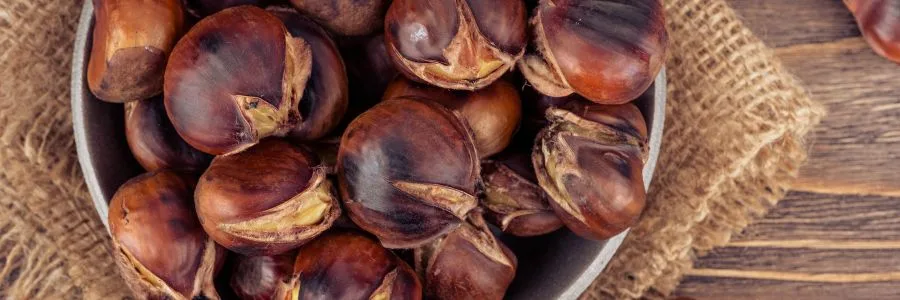
And… if a chestnut is eaten?
Dogs can eat chestnuts (those that are suitable for human consumption), always in moderation, as too much can cause digestive disorders. In fact, they have many benefits; they improve bone and dental health, are good for the heart and skin (omega 3 and 6 fatty acids) and, in the right quantity, can even improve intestinal transit. In the case of cats, their intake should be lower or non-existent, as chestnuts are a fruit with a mealy pulp and these animals tend to have greater difficulty digesting food.
But this does not mean that you can give them freely. One chestnut (two at most) is more than enough, and certainly not every day. Ideally, they should be offered raw (shelled!) or lightly roasted, not roasted as much as you would roast them for yourself.
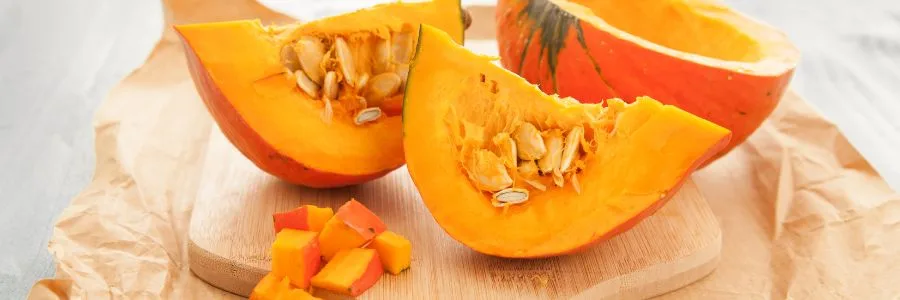
As autumn progresses, one of the most important times of the year arrives, Halloween or, as we know it in Galicia, Samaín. These days, it is very common to see pumpkins everywhere, so you might have another question… Can my dog or cat eat pumpkin?
Of course they can. It is an excellent food for them, being a great source of vitamins and minerals and, due to its high fibre content, it is a great ally for digestive problems, both constipation and diarrhoea, as well as having a cleansing effect due to its water and natural antioxidant content.
Given that it can be difficult to digest raw, the best option is to cook it (without peel, seeds or salt), and then give it in chunks, mashed with a fork or even mashed into a puree. Always bear in mind that it will simply be a complement to supplement your dog’s diet and never the basis of its food.
And now that you know whether or not your furry can eat these typical autumn foods, take the opportunity to go out with him to the woods or the mountains and enjoy them before the arrival of winter, but be very careful with poisonous mushrooms and also with fleas, which abound at this time of year!
👀Related product
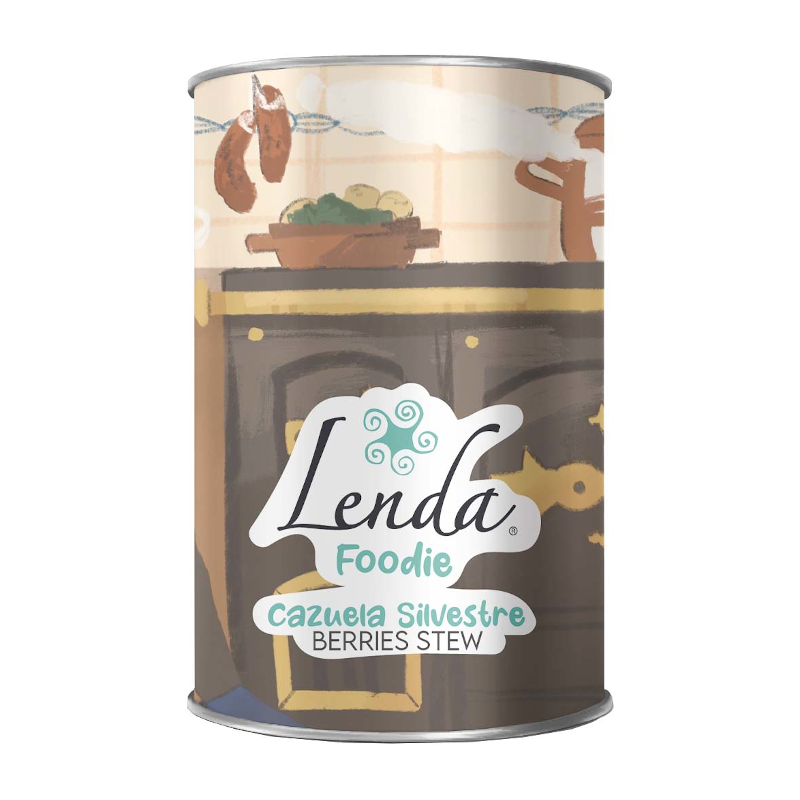
Lenda Foodie “Berries stew”
Did you know that our complete menu for dogs Cazuela Silvestre includes pumpkin among its ingredients? The aromas and flavours of the mountain, evoked by wild boar, cranberry and aromatic herbs, combine with the smoothness of turkey and pumpkin, in a contrast that brings together the best of the wild, the farm and the vegetable garden.
Pure delight!