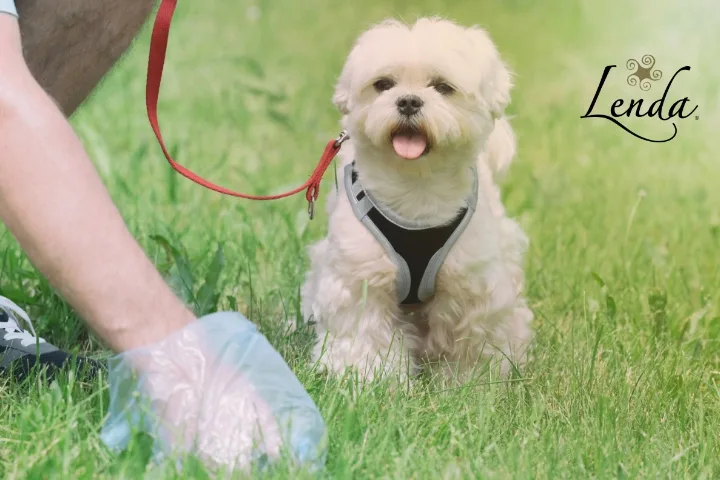
Checking your furry friend’s faeces is something you should do every day, as it can tell you a lot about his health and possible alterations. Knowing the colour, consistency and usual amount will help you to detect possible changes. It’s OK if these are one-off, but if they persist over time, you should consider a visit to the vet.
So… keep reading to find out what to look out for!
Colour
A normal stool will be brown in colour. There are many possible colour changes, so to know the severity, you should consider more than one stool and whether there are other symptoms such as vomiting or diarrhoea.
⚫Black: may be a sign of blood presence somewhere in the digestive tract.
🟢Green: may indicate that your dog or cat is eating grass, which they do in an attempt to relieve intestinal discomfort. Another option is that it may be the food, as some low-range foods use green dyes that can cause this colouring. It may also be a symptom of parasites, such as Giardia (in which case they would also have diarrhoea and other symptoms such as vomiting) or that they are not digesting a component of their diet properly.
⚪Grey: may be the result of a pancreatic or hepatic problem and therefore also require veterinary advice.
⚪White: could be a sign of excess calcium, often caused by excessive bone intake.
🟡Yellow: may be caused because the food is not being digested correctly, as, even if it is of good quality, it does not always sit well. The first thing to try is to change the diet for a few days. If this does not improve, the best thing to do would be to go to the vet as it could be another problem such as different gastrointestinal diseases or even viruses, especially if they are accompanied by other symptoms such as watery diarrhoea.
Texture
They should be more or less uniform. No mucus, which could be a symptom of intestinal irritation. There should also be no blood, which could be caused by a gastrointestinal injury, a foreign body or more serious pathologies, which would be cause for consultation. You can also check for parasites (at least detectable to the naked eye). Sometimes, especially if the parasitism is already advanced, worms and other parasites can look like small grains of rice. In this case, take a sample and consult a veterinarian.
Often, especially when dogs are bored, anxious or stressed, they bite and eat non-food items, with fragments of plastic, cloth or even stones appearing in the faeces. It is important to assess the reason for stress in order to be able to help and prevent this situation from recurring or worsening.
Consistency
They should be firm and consistent, without being hard. When you pick them up with the bag, they should keep their shape, but if you squeeze them, they can easily become deformed. If they appear soft and shapeless, it may be indicative of a digestive disorder and if they are hard, dehydration.
It is also important to assess changes in frequency or quantity, which along with consistency will help you to know if your furry is digesting, and therefore making the most of everything he eats!