Hairballs are a very common problem in cats basically because they are very hygienic animals. This permanent interest in grooming means that they spend a lot of time licking their bodies, with the consequent ingestion of a large amount of hair which, mixed with gastric secretions, takes on a fairly compact form, known as trichobezoar, although it is often referred to as a hairball.
This is not always a problem as they normally digest them without any problem, eliminating them in faeces or even vomiting them, which is considered normal if it is sporadic.
But something that is physiological can become a problem if they accumulate in excess, which can have two causes:
Increased grooming
The cat licks more and may lick compulsively. This may be caused by stress or a pathology that affects the skin and causes discomfort and itching, which increases licking, such as the presence of parasites, allergies, wounds or pain.
Excessive hair loss
Usually during the moulting season, the amount of hair ingested will be excessive and can lead to digestive obstruction, which could pose a medical problem by affecting normal transit.
Not forgetting the possible presence of a disease or digestive disorder that prevents the correct expulsion of the hairballs, leading to their accumulation and possible obstruction.
The symptomatology that would put us on alert to go to your Veterinarian would be:
- Sadness, apathy and lack of appetite with consequent weight loss.
- Sedentary lifestyle
- Nausea, regurgitation and/or vomiting
- Constipation
- Dry cough
But when it comes to hairballs, the most effective thing to do is to work on prevention.
- Frequent brushing: this should be done daily during the moulting season or for long-haired breeds. Logically, if we remove as much hair as possible, we will prevent the dog from ingesting it.
- Malt: Derived from barley, it is generally a dense honey-coloured paste. It should only be given if necessary, not as a rule or in all cats. If it is necessary, it is important to pay attention to its composition and choose a quality one. Many owners take great care over their pet’s diet, looking for a top-of-the-range food, only to end up feeding a malt laden with by-products and fats on a daily basis.
- Encourage water intake: this will encourage evacuation. Always have clean, fresh water available, including different drinking fountains scattered around the house. Cats tend to be particularly interested in running water; fountains or taps.
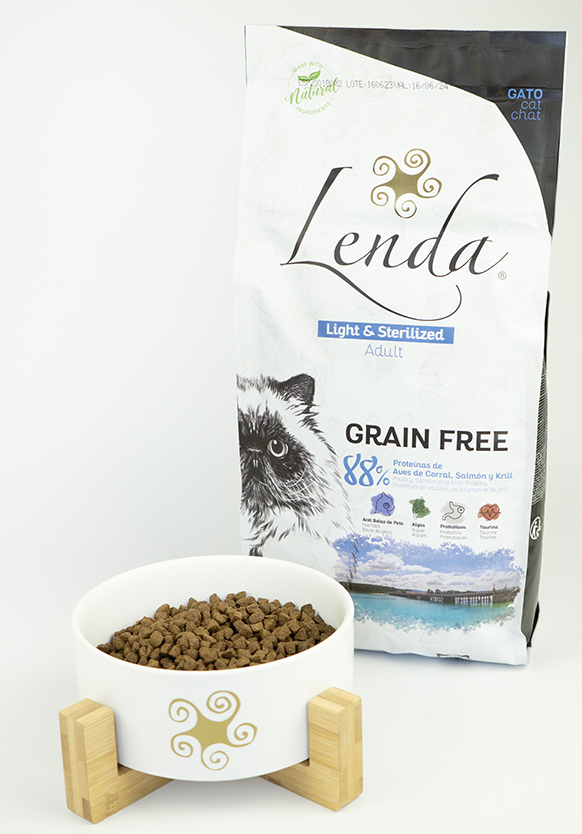
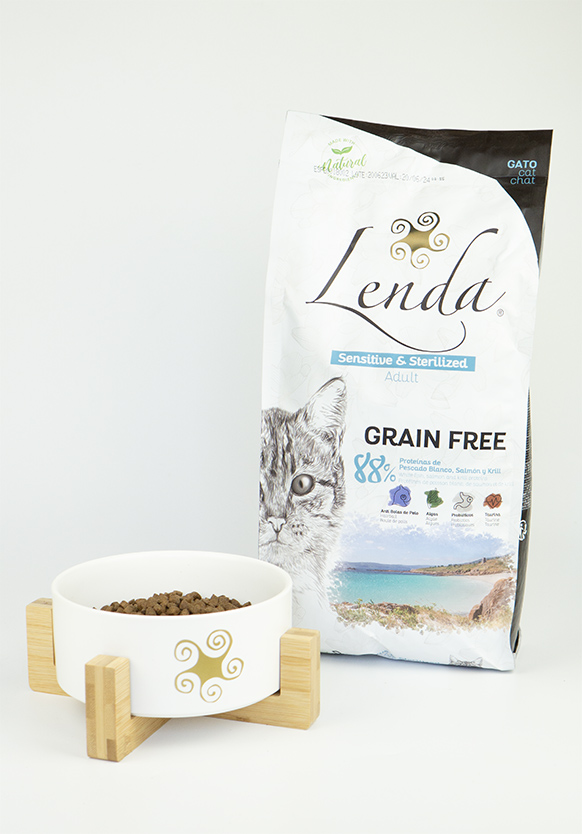
- Adequate diet: as important as its fibre content is that it takes care of the health of the skin and coat, thus avoiding excessive shedding, and that it is digestible to favour transit.
👀Related products👇