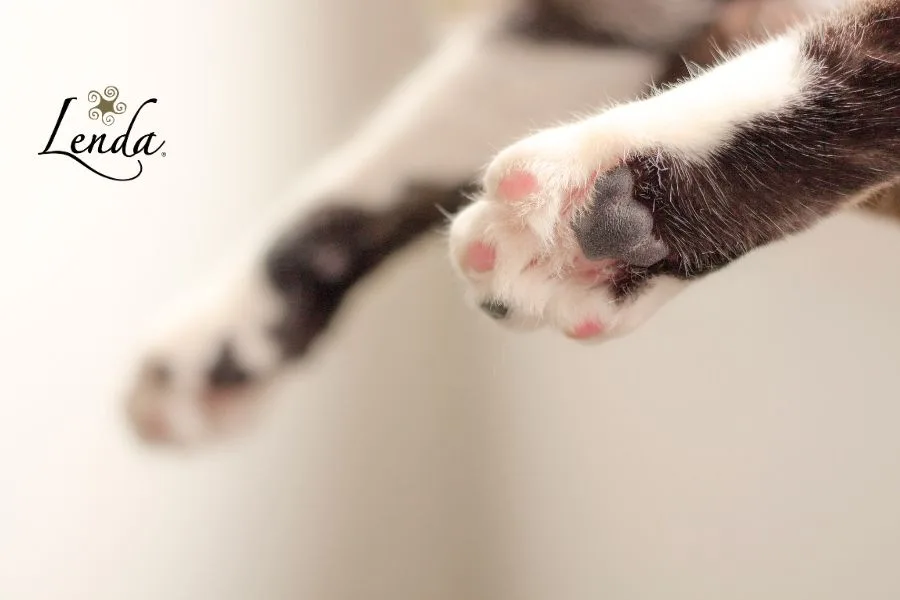
With the arrival of cold weather, it is important to pay attention to the pads of our dogs and cats. We must bear in mind that, like the soles of our shoes, they are in constant contact with the ground, so they can suffer all kinds of injuries when they come into contact with it.
Trauma from spikes, glass, splinters and other sharp objects can cause deep, bleeding wounds that often require a visit to the vet and even stitches.
It is therefore important to check the paws on returning from a walk to remove any stones or glass that may be stuck to them. It is also a good idea to dry them as excess moisture can cause cracks which, if not healed in time, can lead to very painful sores.
Another type of wound, which may seem less serious but can be very annoying, are those caused by excessive friction or by the temperature of the floor, which can cause burns, either from excessive cold or heat.
The wounds caused by excessive rubbing usually appear when our furry dog walks on floors that are too hard or because it does a lot of exercise. But, in addition, the pads can also be damaged by lack of activity, as the skin becomes softer and more vulnerable, so it is best to have a proper routine to take care of their paws.
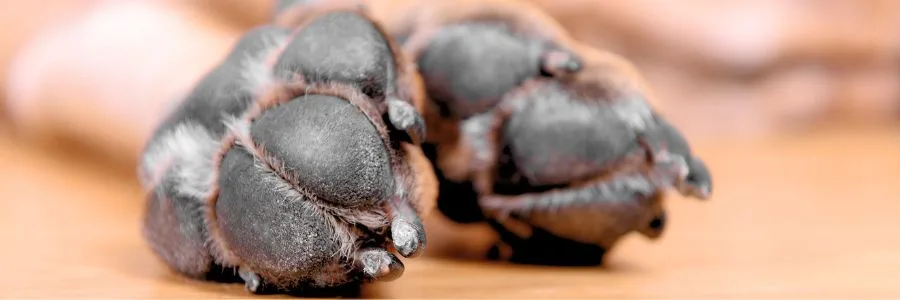
With regard to temperature, we are all more or less aware that walking on a burning pavement in summer can be uncomfortable and damaging to our dog’s paws and we try to avoid going out in the hottest hours of the day or take him on grass instead of pavement. But the same, or worse, can happen on cold or even frozen ground in winter.
Low temperatures, ice and snow on winter asphalt can cause burns, cracks and sores on their pads. Just think how cold the ground is after a good frost and their paws are in contact with it for the entire walk.
How to protect the pads?
Some people recommend dog boots but, let’s face it, they are usually very uncomfortable and very few people tolerate them, or end up walking in discomfort. On the other hand, there are a multitude of protective gels, sprays and creams for pads on the market, designed to be applied before going out to prevent damage. In addition to these products, petroleum jelly is also a good option.
After a winter walk, it is advisable to moisturise them, especially if they are damaged. For this purpose, there are specific creams for pads or we can use natural remedies such as aloe vera or rosehip, well known for their soothing and healing effect.
If you don’t know which product to use or if you think your dog’s pads are badly damaged, the best thing to do is to visit your vet so that he can recommend a cream with antibiotics and, if necessary, put a bandage over the burn to protect it.